



Martagon Lily Arabian Knight
Peonies will be come available in June 2027
If you'd like to get your seeds earlier, please place a separate order for seeds only. We do not separate orders.
Product Specification
Number of bulbs in package: 3
Bulb size: 18/20 (highest)
Arabian Knight is a tall, vigorous martagon lily producing large clusters of richly colored mahogany-red and golden-orange Turk's cap flowers. Its dramatic color combination, abundant blooms, and longevity make it one of the standout cultivars among martagon lilies.
Plant height - 80-85 cm
Tips to grow:
Martagon lilies are long-lived, reliable perennials that perform best in fertile, humus-rich, well-drained soil. They prefer a position in partial shade, although established plants will tolerate more sun provided the soil remains moist. Avoid planting in areas prone to waterlogging, as excessive moisture can cause bulbs to rot.
After planting, allow the bulbs to establish undisturbed, as martagon lilies dislike being moved. Water during prolonged dry periods, especially in spring and early summer, and apply a balanced fertilizer when new shoots emerge. A second feeding after flowering will help strengthen the bulbs for the following season (P-K fertilizer).
Once flowering has finished, leave the stems and foliage in place until they naturally yellow and die back. This allows the plant to store energy for next year's growth and blooms. Mulching with compost or leaf mould helps retain moisture, improve soil structure, and keep the roots cool. Protect emerging shoots from slugs and snails in spring, as young growth can be particularly attractive to pests.
Patience is rewarded with martagon lilies. While flowering may be modest during the first year, established plants become increasingly impressive over time and can thrive in the same location for decades, producing elegant stems covered with numerous nodding flowers each season.
You may also like




Blog posts
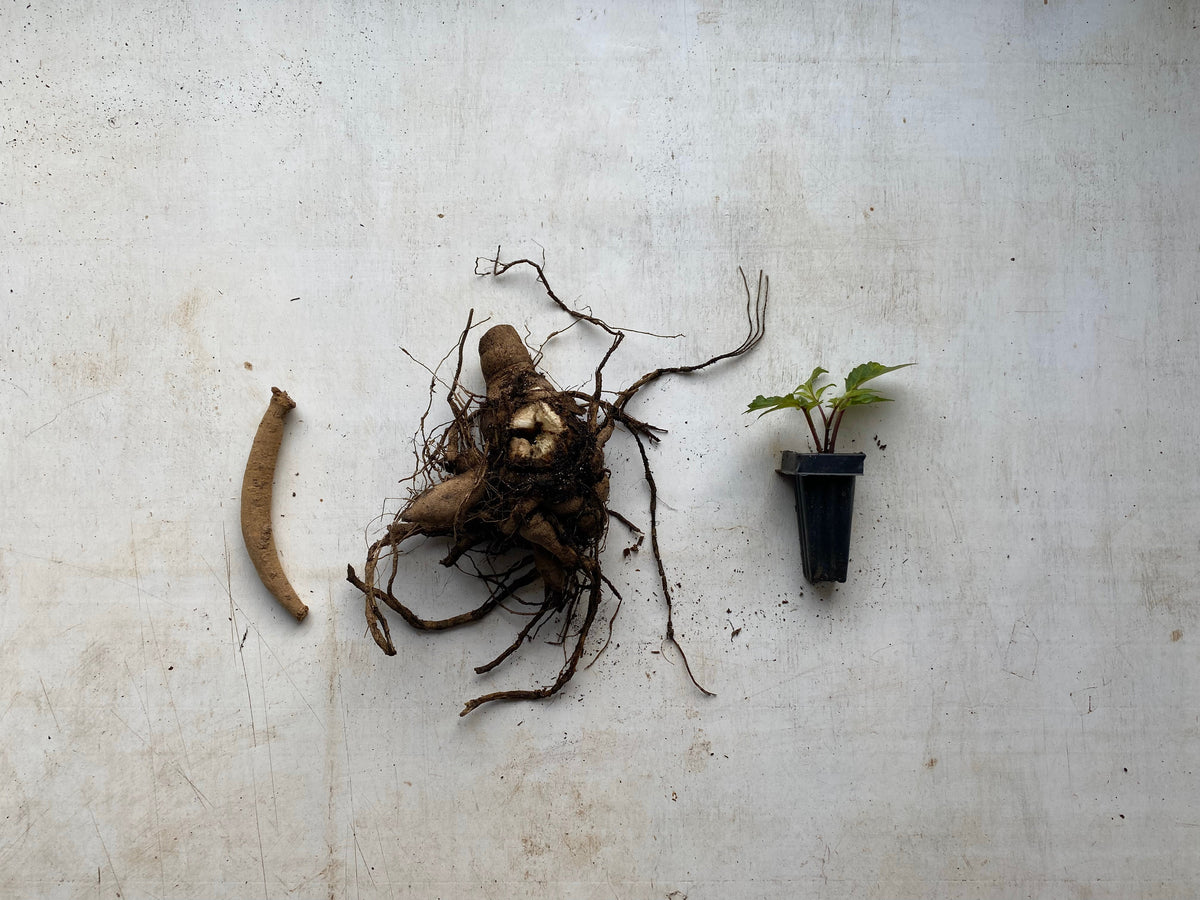
Rooted cuttings, tuber divisions and tuber clumps. What’s the difference?
Our dahlia collection includes dahlia tuber divisions, dahlia tuber clumps and rooted cuttings. So, which planting unit should you choose, and what is the difference between them?
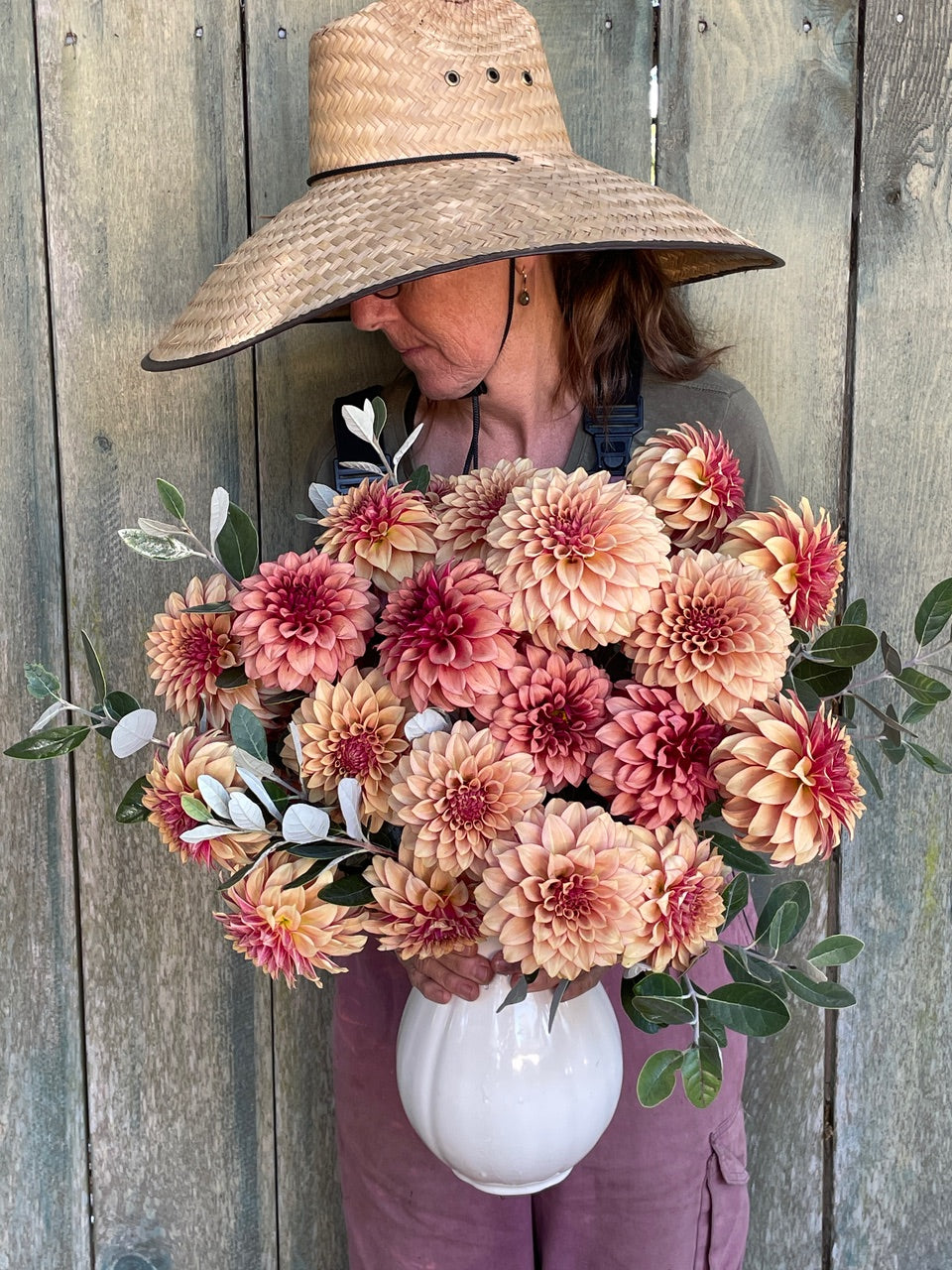
Kristine Albrecht: The breeder behind KA’s® dahlias
For almost two decades, Kristine has devoted her small urban farm to one thing above all else: creating new dahlias.
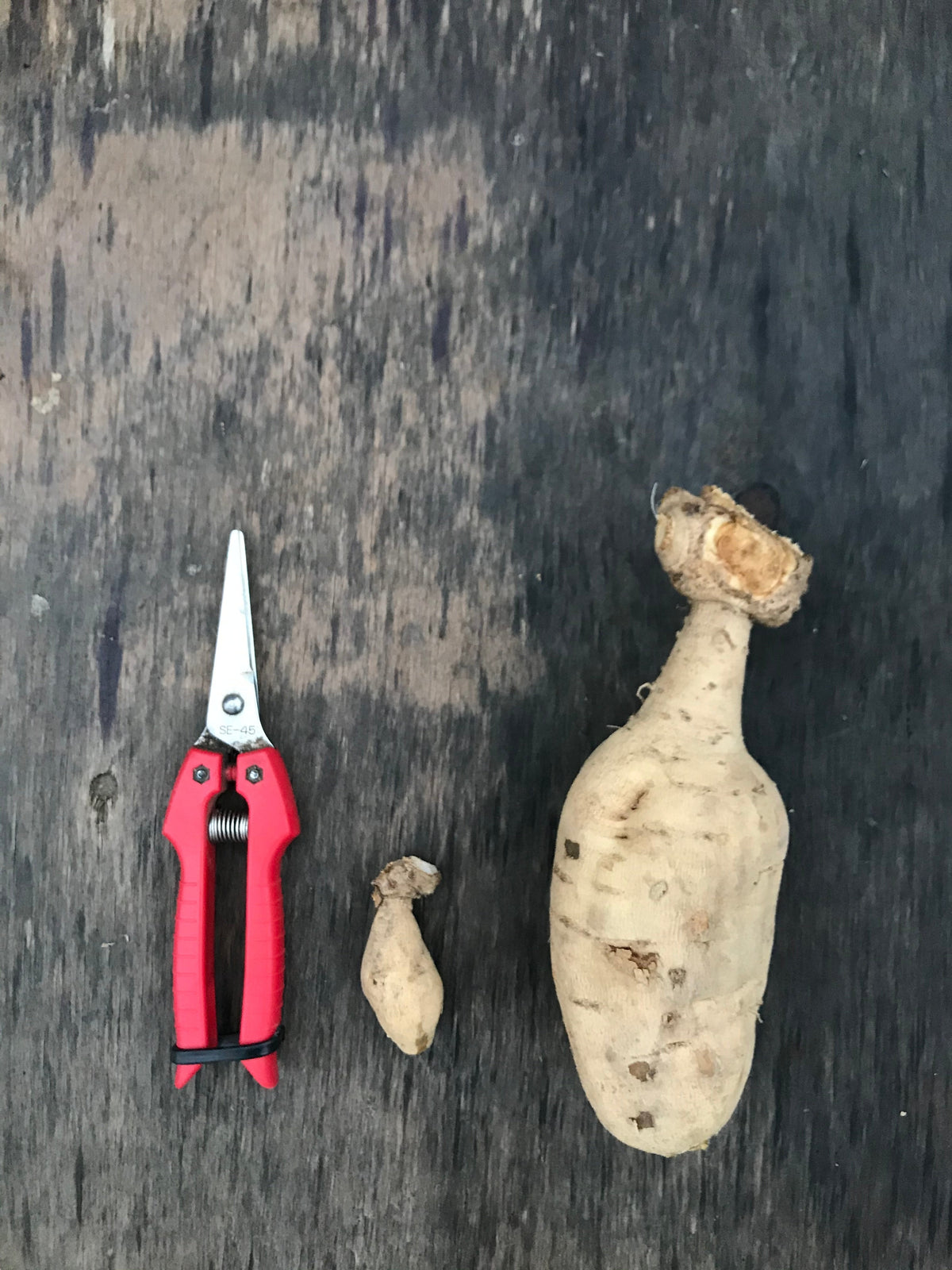
The best time to plant dahlia tubers is after the risk of hard frost has passed and the soil has started to warm up. In most parts of Europe, this is usually from late April to May.