




Dahlia White Wizard
DAHLIA TUBER CLUMPS WILL BE SHIPPED ON MARCH 1-20th, 2027
IMPORTANT INFORMATION ABOUT ORDERING AND DELIVERY OF DAHLIA TUBER CLUMPS AND ROOTED CUTTINGS : DAHLIA CUTTINGS FAQ
Product Specification
White Wizard, also known as Light Wizard, is a charming ball-shaped dahlia with blooms that have a subtle touch of blush. It's perfect for making floral arrangements and adding a soft, pretty color to weddings.23-25 ⁰С
100-120 cm
50-60 cm

Dahlias in your Garden
Dahlias are a beautiful addition to any garden, offering a wide range of colours, shapes, and petal patterns. From deep reds to soft pastels, there is a variety to suit every garden style, whether you prefer bold, colourful combinations or a more subtle and harmonious look.

Growing Experience
Dahlias are easy to grow when given the right conditions. They need a sunny spot, well-drained soil, regular watering, and a little care throughout the growing season. With the right conditions, they will reward you with beautiful flowers from summer until autumn.
Make the most of our experience to avoid common mistakes and get the best results from your dahlias. Read our blog post on How to Grow Dahlias and feel free to contact us if you have any questions.
Blog posts
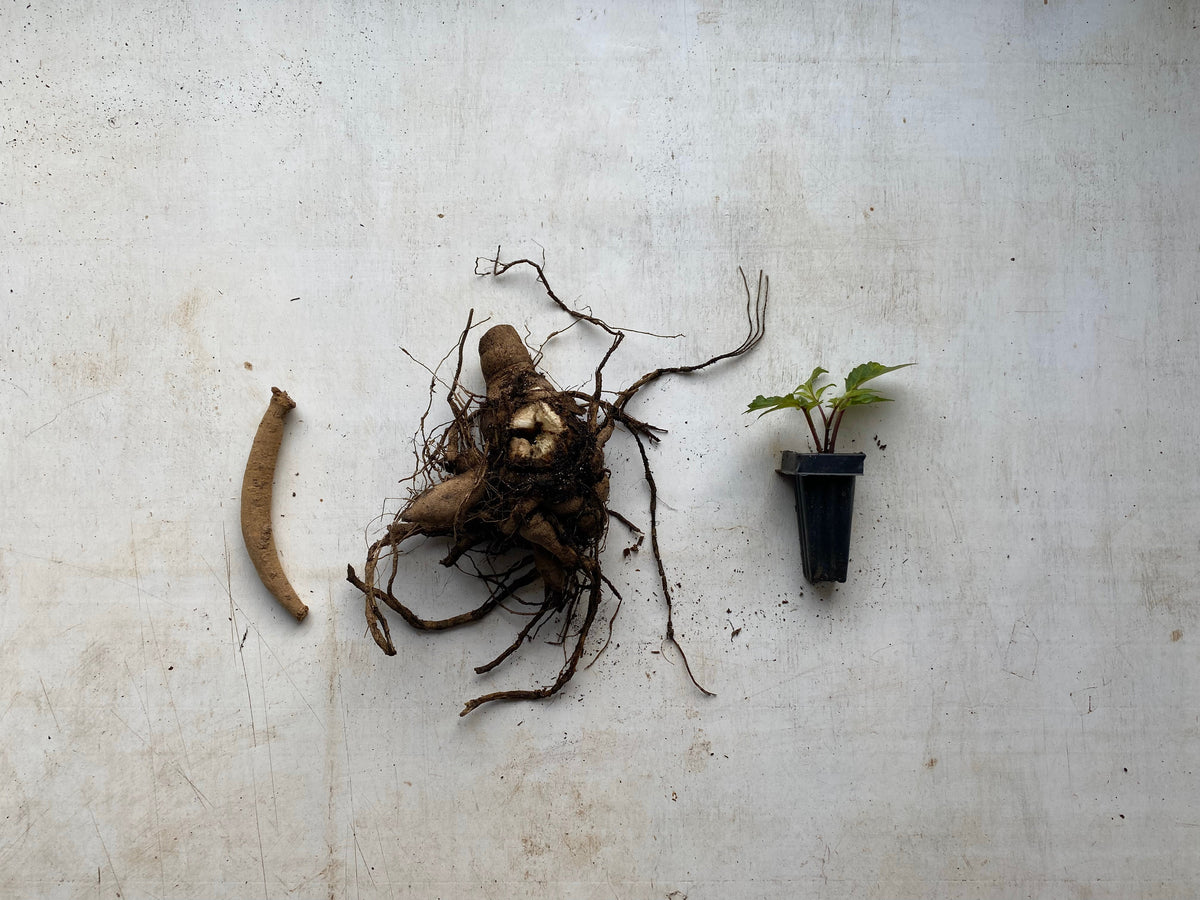
Rooted cuttings, tuber divisions and tuber clumps. What’s the difference?
Our dahlia collection includes dahlia tuber divisions, dahlia tuber clumps and rooted cuttings. So, which planting unit should you choose, and what is the difference between them?
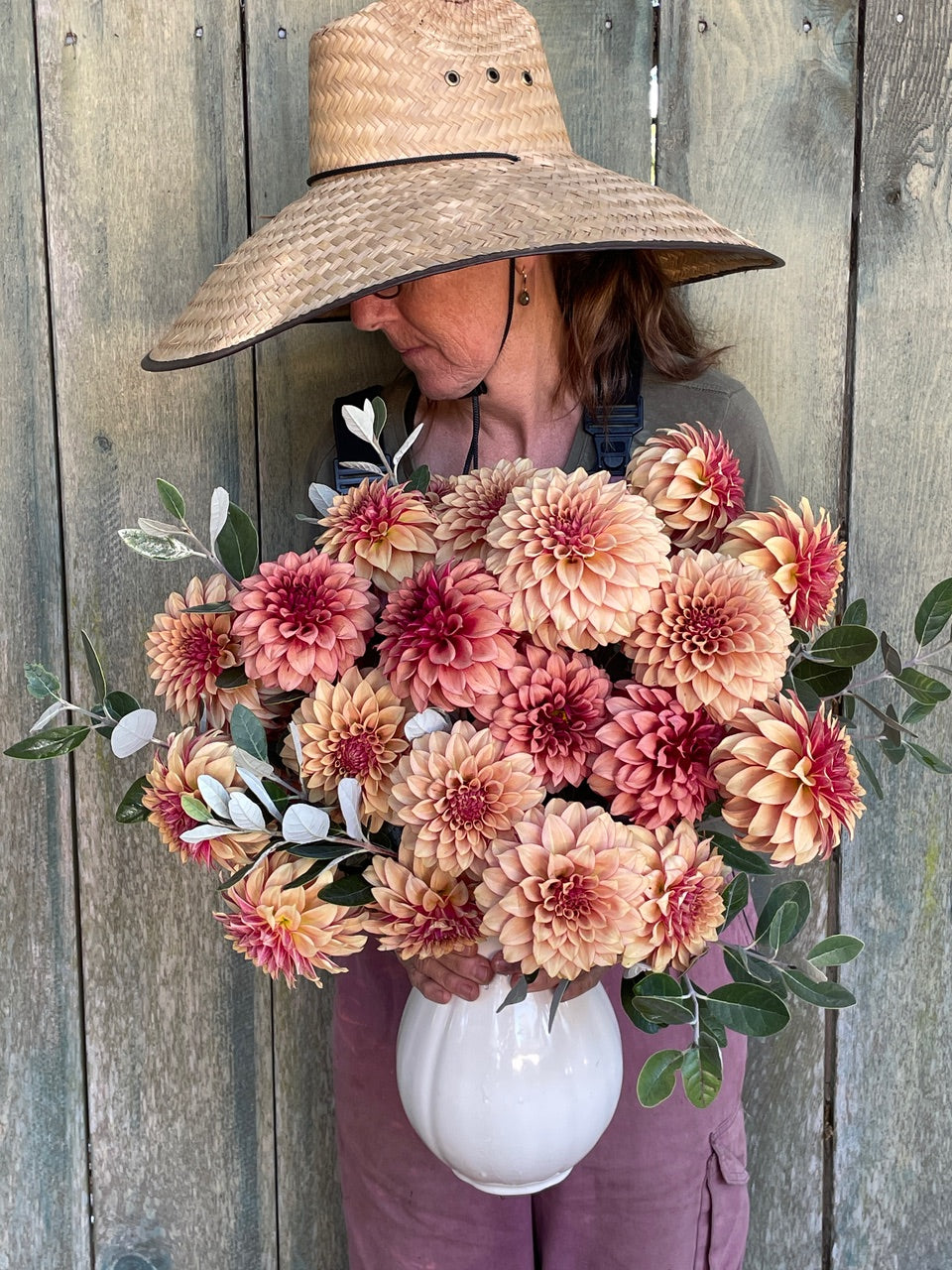
Kristine Albrecht: The breeder behind KA’s® dahlias
For almost two decades, Kristine has devoted her small urban farm to one thing above all else: creating new dahlias.
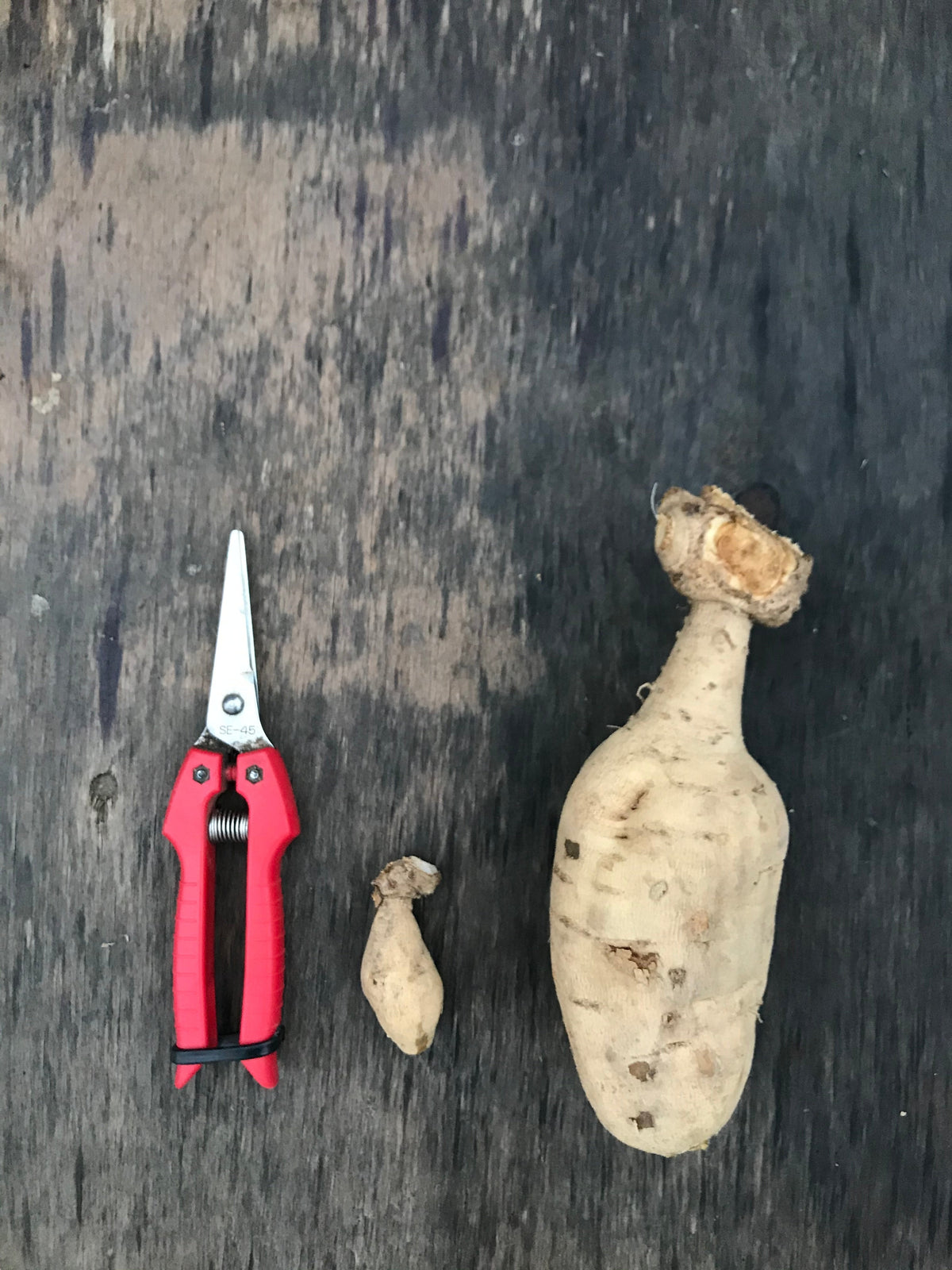
The best time to plant dahlia tubers is after the risk of hard frost has passed and the soil has started to warm up. In most parts of Europe, this is usually from late April to May.