

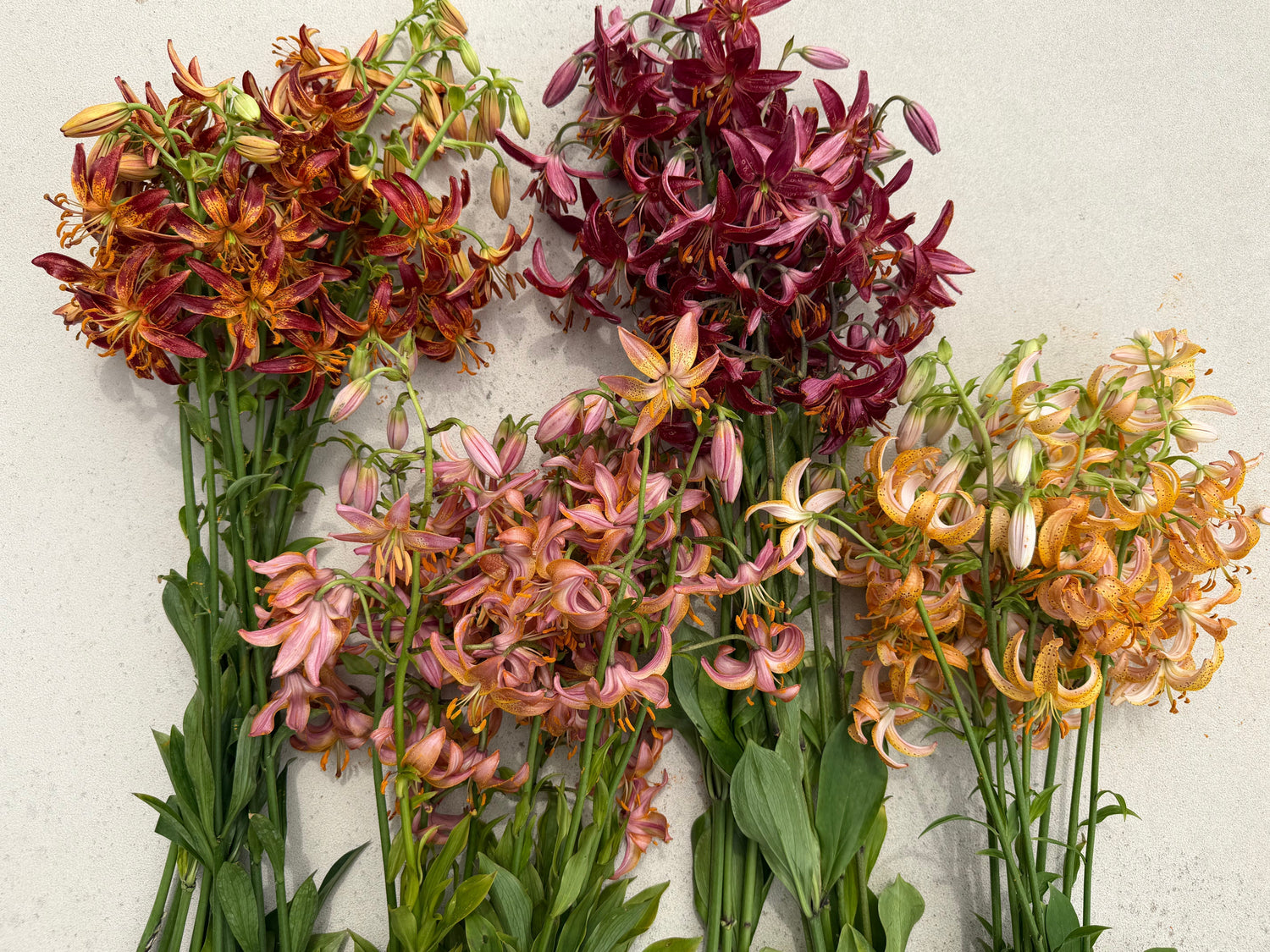
Martagon lilies are among the most enchanting plants a gardener can grow. With their graceful, downward-facing blooms and recurved petals, these woodland perennials bring a touch of elegance and charm to borders, cottage gardens, and shaded landscapes. Unlike many other lilies, martagons are remarkably long-lived and can thrive for decades when planted in the right conditions.

1. Plant in autumn for best results
One of the most important things to know about martagon lilies is that they should be planted in autumn, much like peonies. Autumn planting allows the bulbs to develop strong root systems before winter, leading to healthier growth and better flowering in the following seasons. Avoid leaving bulbs out of the ground for long periods, as martagon lilies prefer to be planted as soon as possible after purchase.

2. Choose the right location
Martagon lilies naturally grow in woodland environments, so they prefer conditions that mimic their native habitat. Select a spot that receives morning sun and afternoon shade, or dappled light throughout the day. While they can tolerate more sun in cooler climates, excessive heat and direct afternoon sunlight may stress the plants.

3. Plant them and leave them be
One of the most important things to know about martagon lilies is that they dislike being disturbed. Unlike some bulbs that can be lifted and divided frequently, martagons prefer to remain in the same spot for many years. We supply the largest possible martagon bulb size 18/20 cm. Plant these bulbs about 18–23 cm deep in well-draining soil. Once established, avoid digging around them or moving them unless absolutely necessary.
4. Water wisely
Martagon lilies appreciate consistent moisture during their growing season, but they do not like soggy soil. Water deeply during dry periods, allowing the soil surface to dry slightly between watering sessions. Applying a layer of organic mulch helps retain moisture, regulate soil temperature, and suppress weeds.
Avoid waterlogged conditions, especially during winter, as excessive moisture can lead to bulb rot.
5. Deadhead, but keep the foliage
After flowering, remove spent blooms to prevent seed production if desired. However, leave the foliage intact until it naturally yellows and dies back. The leaves continue to photosynthesize and store energy in the bulb, ensuring strong growth and flowering the following year.
6. Improve soil quality
These lilies thrive in rich, humus-filled soil with excellent drainage. Incorporate compost, leaf mould, or well-rotted organic matter before planting to improve soil structure and fertility.
Final thoughts
Growing martagon lilies requires a little patience, but the rewards are well worth the effort. Their elegant flowers, long lifespan, and adaptability to partially shaded gardens make them a treasured addition to any landscape. By providing rich soil, good drainage, and a permanent home, you'll enjoy these captivating lilies for many years to come.
Whether you're a seasoned gardener or just beginning your gardening journey, martagon lilies offer a timeless beauty that never goes out of style.


1 Kommentar
Marj
Hello. I have had my martegons in the same spot for eight years. They have always bloomed so well. This year the blooms are very short and small and hardly any blooms. Any idea on why this would be? Do they need to be divided? I live just a bit south of Calgary. The foliage is green and healthy looking. Thanks for any help you can offer!
Hinterlasse einen Kommentar
Diese Website ist durch hCaptcha geschützt und es gelten die allgemeinen Geschäftsbedingungen und Datenschutzbestimmungen von hCaptcha.